
umbennen? Exhibition project on the history of Berlin street names
As an inner-city district that unites former East and West Berlin boroughs, Mitte looks back on a turbulent history that is also reflected in the large number of street renamings. The regional historical focus of the “rename?!” exhibition is therefore on continuities, ruptures, and the possibilities for participation in renaming processes.
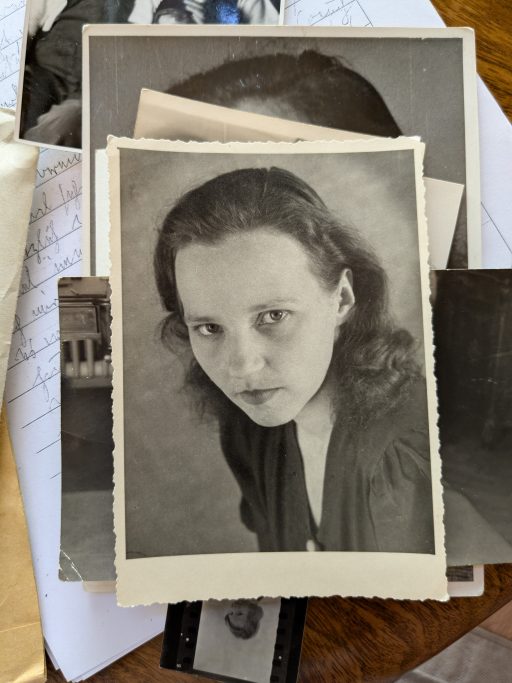
»Die gesiezte Tochter. My Total Deconstruction of an Armenian Family«
An Exhibition by Beatrice Moumdjian. Moumdjian’s artistic practice combines autobiographical research with a critical perspective on history and its modes of transmission. Her work reveals how closely personal life stories are intertwined with political and historical processes, and how these entanglements can be examined, shifted, and rearticulated through artistic means.
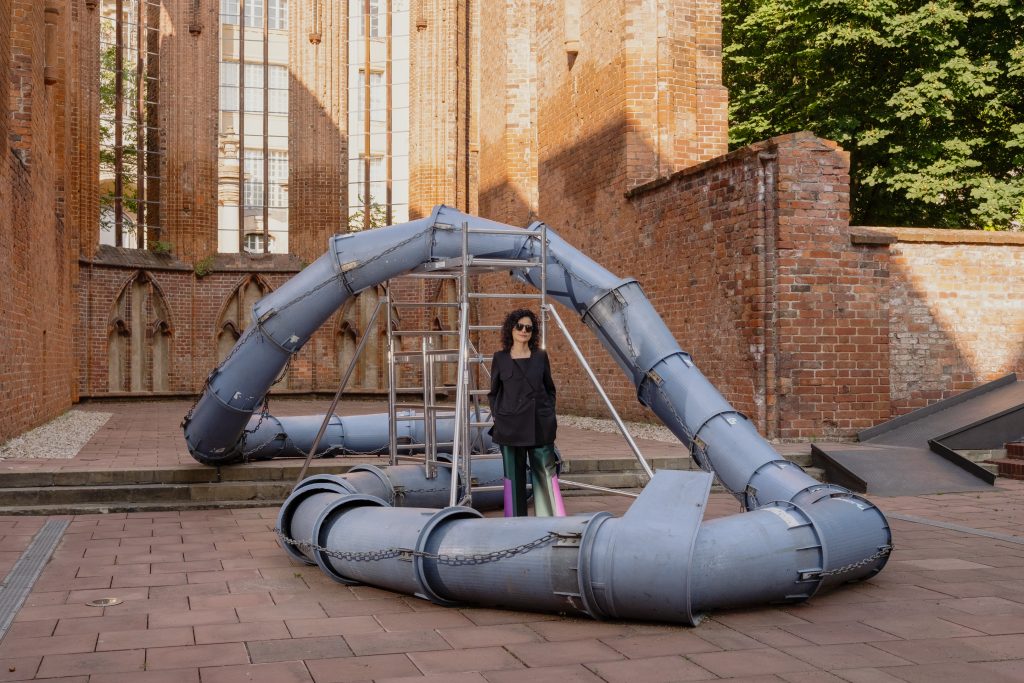
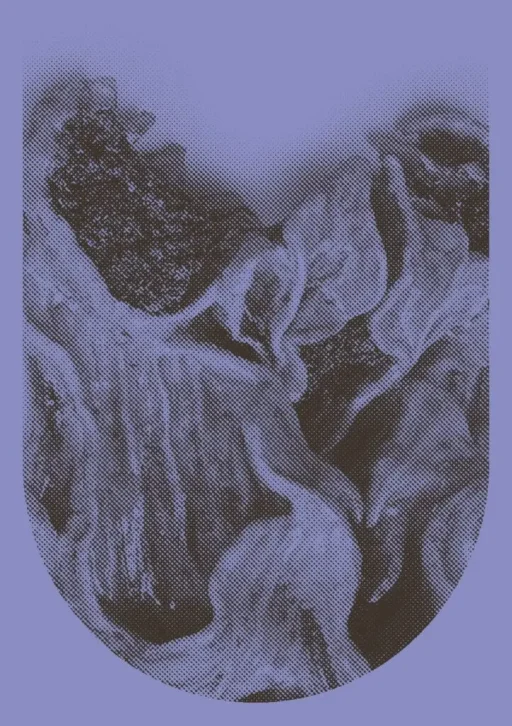
is a site-specific installation by Nazanin Noori at the Klosterruine Berlin. It connects the historical space of the former religious building with questions of religious affiliation, power structures, public perception, and diverse conceptions of the divine. As a relic of a sacred site, the Klosterruine points to the political and social systems that have historically emerged from religious organisation. For centuries, the Berlin Franciscan monastery functioned as a space in which spiritual practices—both aesthetic and performative—were closely intertwined with urban order and political authority. At the same time, the ruin stands as a marker of repeated destruction and transformation.
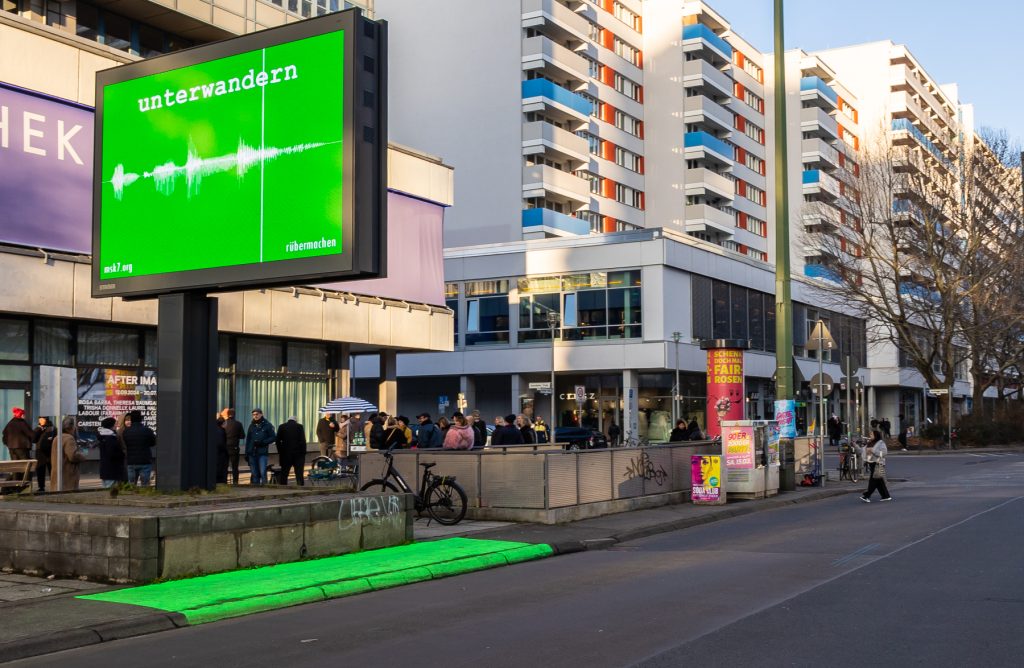
mowe is a new art and urban culture festival, which transform (North-)Moabit and Wedding into a stage. From 8-10 May the festival opens studios and project spaces, bringing art to the streets, to convenience stores, to snack bars, and to unknown locations. With performative walks, productions in urban space, and participatory actions, mowe connects neighbourhoods, local artists, institutions and initiatives.
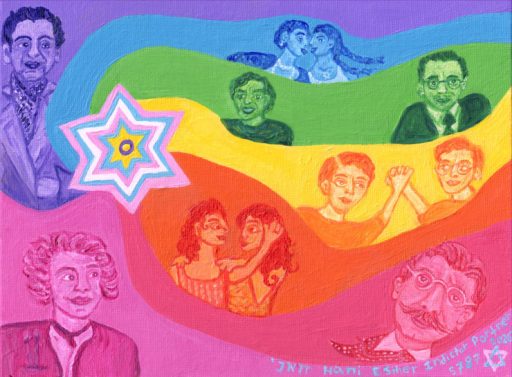
The exhibition and extensive accompanying events programme shed light on artists’ positions in East Germany and encourage a new reading of art from the GDR. The exhibition draws on the checkered life stories of nine artists and their works, ranging from painting, sculpture, and ceramics to photography. On that basis it shows how differently the nine addressed the political and social conditions of their day. To what extent did sexual orientation influence their artistic practice and their careers?
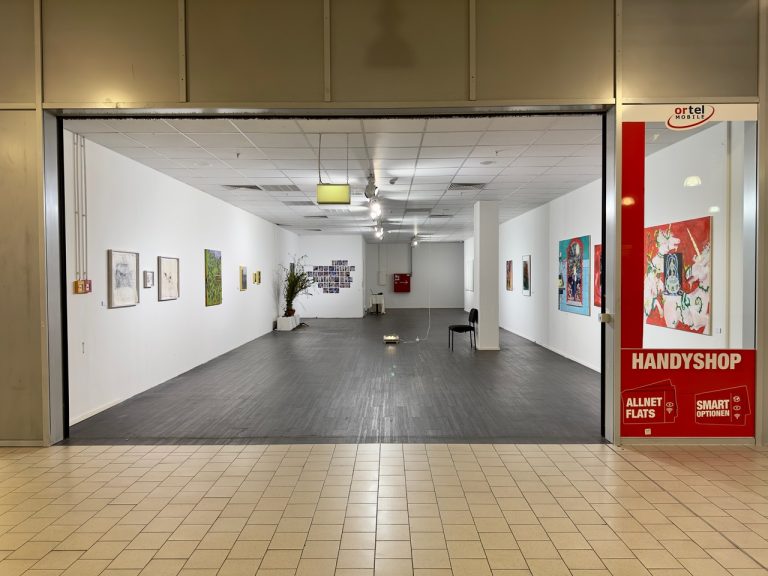
In spring 2026, Galerie Wedding will present Malplaquetstraße 33 – Jugend einer Monteurin (Malplaquetstraße 33 – Youth of a Female Assembly Worker), a solo exhibition by Ahu Dural. Taking an apartment as a starting point, the exhibition explores family history, migration, work, female solidarity and appropriation artistically.
Weirder, Taller, Uglier, Louder – Feral Possible, around Karl-Marx-Straße and Carrer Cobalt
The exhibition is the second part of “Louder, Taller, Uglier, Weirder – Learning from Weeds / Von Unkraut lernen”, a curatorial project consisting of four exhibitions and a series of events we call sprouts, which appear as we grow and move forward.
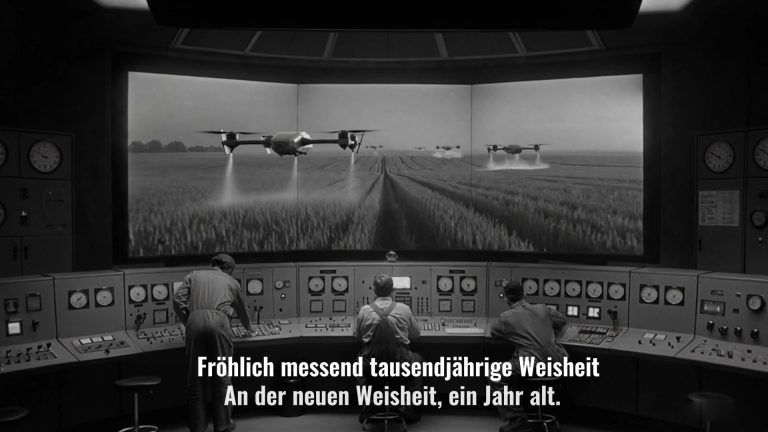
Duo exhibition by Catherina Cramerand Johannes Büttner, whose expansive worlds move between the real abysmal nature of neoliberal exploitation—which is currently particularly noticeable due to cultural policy austerity measures—and the imaginations of possible counterworlds.
Flucht ins Innere: The Artist Paul Gurk during the Nazi dictatorship
Mitte Museum keeps documents and books from the estate of Paul Gurk (1880-1953) and his life partner Erna Schallok (1886-1943) as well as artworks by the artist. The exhibition presents a selection of the material and provides authentic insight into the artist’s life.
umbennen? Exhibition project on the history of Berlin street names
As an inner-city district that unites former East and West Berlin boroughs, Mitte looks back on a turbulent history that is also reflected in the large number of street renamings. The regional historical focus of the “rename?!” exhibition is therefore on continuities, ruptures, and the possibilities for participation in renaming processes.
»Die gesiezte Tochter. My Total Deconstruction of an Armenian Family«
An Exhibition by Beatrice Moumdjian. Moumdjian’s artistic practice combines autobiographical research with a critical perspective on history and its modes of transmission. Her work reveals how closely personal life stories are intertwined with political and historical processes, and how these entanglements can be examined, shifted, and rearticulated through artistic means.
Opening »Die gesiezte Tochter. My Total Deconstruction of an Armenian Family«
An Exhibition by Beatrice Moumdjian. Moumdjian’s artistic practice combines autobiographical research with a critical perspective on history and its modes of transmission. Her work reveals how closely personal life stories are intertwined with political and historical processes, and how these entanglements can be examined, shifted, and rearticulated through artistic means.
Kunstführung mit Nazainin Noori und Alin Daghestani
Jeden dritten Donnerstag im Monat, von Mai bis September, führt Alin Daghestani, Programmkoordinatorin und kuratorische Assistenz der Klosterruine, durch das Baudenkmal, stellt die neue ortsspezifische künstlerische Arbeit vor und lädt zum anschließenden Gespräch ein.
is a site-specific installation by Nazanin Noori at the Klosterruine Berlin. It connects the historical space of the former religious building with questions of religious affiliation, power structures, public perception, and diverse conceptions of the divine. As a relic of a sacred site, the Klosterruine points to the political and social systems that have historically emerged from religious organisation. For centuries, the Berlin Franciscan monastery functioned as a space in which spiritual practices—both aesthetic and performative—were closely intertwined with urban order and political authority. At the same time, the ruin stands as a marker of repeated destruction and transformation.
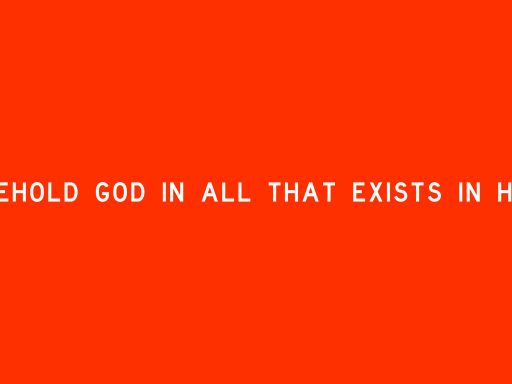
Opening: BEHOLD GOD IN ALL THAT EXISTS IN HIS NAME
For the 2026/27 programme year, artist Nazanin Noori was selected by an independent expert jury. In her site-specific work, she engages with the monastery ruins as a former sacred space, tracing the layers of transformation embedded within them.
Sunday Art Makers Family Tours: Rundgang durch das mittelalterliche Berlin
Unter dem neuen Namen Sunday Art Makers (SAM) Family Tours startet eine neue Vermittlungsreihe in den kommunalen Galerien Mitte. Entdeckt jeden dritten Sonntag im Monat gemeinsam mit eurer Familie die Geschichte des mittelalterlichen Berlins auf spielerische Weise. Die Archäologin Claudia M. Melisch nimmt mit auf eine Zeitreise in den alten Stadtkern.
Sunday Art Makers Family Tours: Rundgang durch das mittelalterliche Berlin
Unter dem neuen Namen Sunday Art Makers (SAM) Family Tours startet eine neue Vermittlungsreihe in den kommunalen Galerien Mitte. Entdeckt jeden dritten Sonntag im Monat gemeinsam mit eurer Familie die Geschichte des mittelalterlichen Berlins auf spielerische Weise. Die Archäologin Claudia M. Melisch nimmt mit auf eine Zeitreise in den alten Stadtkern.
mowe is a new art and urban culture festival, which transform (North-)Moabit and Wedding into a stage. From 8-10 May the festival opens studios and project spaces, bringing art to the streets, to convenience stores, to snack bars, and to unknown locations. With performative walks, productions in urban space, and participatory actions, mowe connects neighbourhoods, local artists, institutions and initiatives.
The exhibition and extensive accompanying events programme shed light on artists’ positions in East Germany and encourage a new reading of art from the GDR. The exhibition draws on the checkered life stories of nine artists and their works, ranging from painting, sculpture, and ceramics to photography. On that basis it shows how differently the nine addressed the political and social conditions of their day. To what extent did sexual orientation influence their artistic practice and their careers?
In spring 2026, Galerie Wedding will present Malplaquetstraße 33 – Jugend einer Monteurin (Malplaquetstraße 33 – Youth of a Female Assembly Worker), a solo exhibition by Ahu Dural. Taking an apartment as a starting point, the exhibition explores family history, migration, work, female solidarity and appropriation artistically.
Weirder, Taller, Uglier, Louder – Feral Possible, around Karl-Marx-Straße and Carrer Cobalt
The exhibition is the second part of “Louder, Taller, Uglier, Weirder – Learning from Weeds / Von Unkraut lernen”, a curatorial project consisting of four exhibitions and a series of events we call sprouts, which appear as we grow and move forward.
Duo exhibition by Catherina Cramerand Johannes Büttner, whose expansive worlds move between the real abysmal nature of neoliberal exploitation—which is currently particularly noticeable due to cultural policy austerity measures—and the imaginations of possible counterworlds.
Flucht ins Innere: The Artist Paul Gurk during the Nazi dictatorship
Mitte Museum keeps documents and books from the estate of Paul Gurk (1880-1953) and his life partner Erna Schallok (1886-1943) as well as artworks by the artist. The exhibition presents a selection of the material and provides authentic insight into the artist’s life.
In our Kultur Mitte newsletter we inform you about the latest in the fields of art, culture, media and education.
Additionally you receive information on Open Calls, opportunities for funding, concerts, readings, film screenings, guided tours and our program for families and young people in our institutions.
The Department of Art, Culture and History is an important point of contact for key cultural projects and initiatives. The department advises on approval and application procedures for funding and art projects in public space, supports the public promotion of art and remembrance projects on both a regional and supra-regional scale, facilitates networking and transcultural exchange and has for years successfully coordinated cultural education work aimed at predominantly young people.
Events
Klosterruine |
Opening
13.5.26 18:00h
Opening: BEHOLD GOD IN ALL THAT EXISTS IN HIS NAME
For the 2026/27 programme year, artist Nazanin Noori was selected by an independent expert jury. In her site-specific work, she engages with the monastery ruins as a former sacred space, tracing the layers of transformation embedded within them.
Sunday Art Makers Family Tours: Rundgang durch das mittelalterliche Berlin
Unter dem neuen Namen Sunday Art Makers (SAM) Family Tours startet eine neue Vermittlungsreihe in den kommunalen Galerien Mitte. Entdeckt jeden dritten Sonntag im Monat gemeinsam mit eurer Familie die Geschichte des mittelalterlichen Berlins auf spielerische Weise. Die Archäologin Claudia M. Melisch nimmt mit auf eine Zeitreise in den alten Stadtkern.
Kunstführung mit Nazainin Noori und Alin Daghestani
Jeden dritten Donnerstag im Monat, von Mai bis September, führt Alin Daghestani, Programmkoordinatorin und kuratorische Assistenz der Klosterruine, durch das Baudenkmal, stellt die neue ortsspezifische künstlerische Arbeit vor und lädt zum anschließenden Gespräch ein.
As an inner-city district that unites former East and West Berlin boroughs, Mitte looks back on a turbulent history that is also reflected in the large number of street renamings. The regional historical focus of the “rename?!” exhibition is therefore on continuities, ruptures, and the possibilities for participation in renaming processes.
Opening »Die gesiezte Tochter. My Total Deconstruction of an Armenian Family«
An Exhibition by Beatrice Moumdjian. Moumdjian’s artistic practice combines autobiographical research with a critical perspective on history and its modes of transmission. Her work reveals how closely personal life stories are intertwined with political and historical processes, and how these entanglements can be examined, shifted, and rearticulated through artistic means.
Sunday Art Makers Family Tours: Rundgang durch das mittelalterliche Berlin
Unter dem neuen Namen Sunday Art Makers (SAM) Family Tours startet eine neue Vermittlungsreihe in den kommunalen Galerien Mitte. Entdeckt jeden dritten Sonntag im Monat gemeinsam mit eurer Familie die Geschichte des mittelalterlichen Berlins auf spielerische Weise. Die Archäologin Claudia M. Melisch nimmt mit auf eine Zeitreise in den alten Stadtkern.