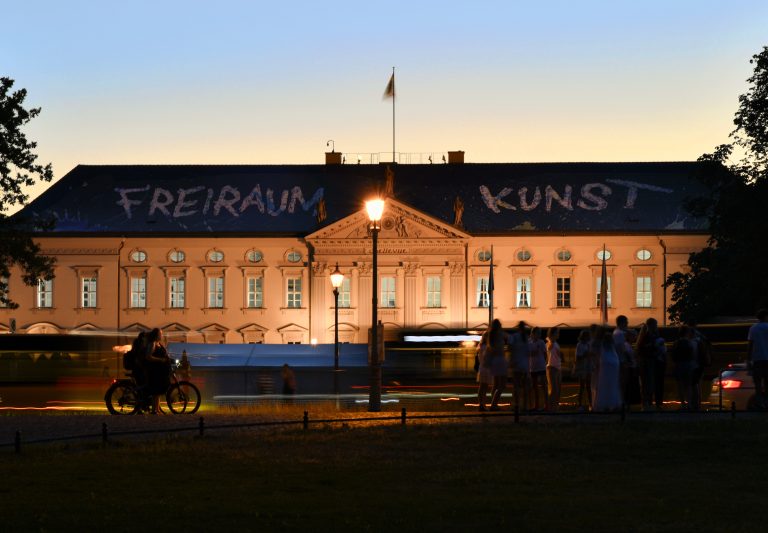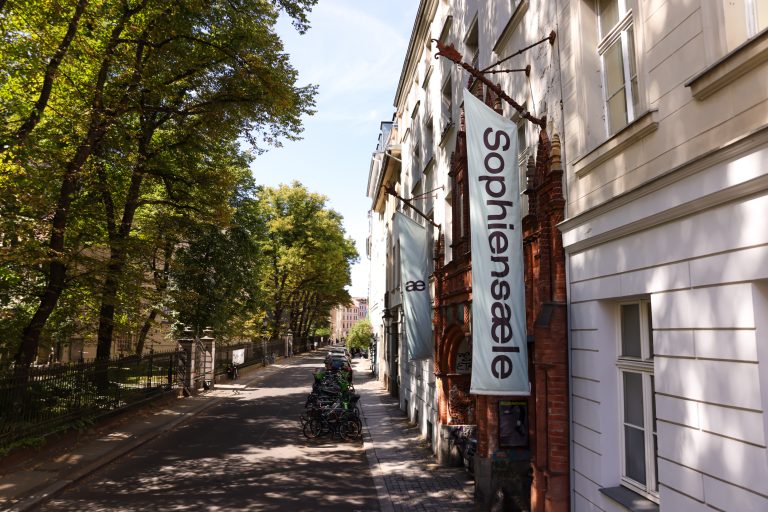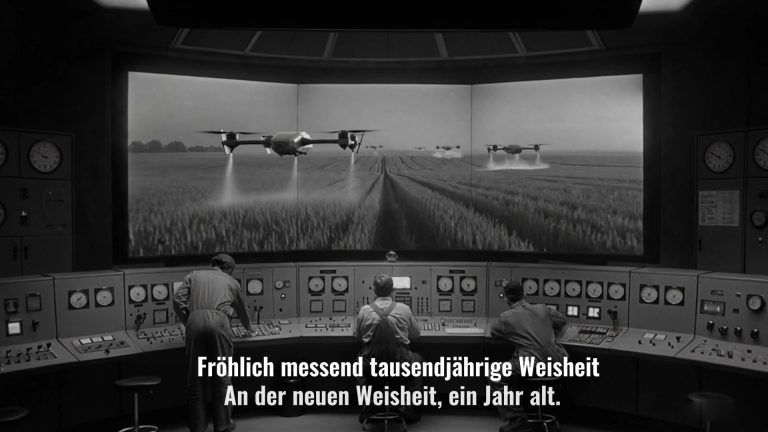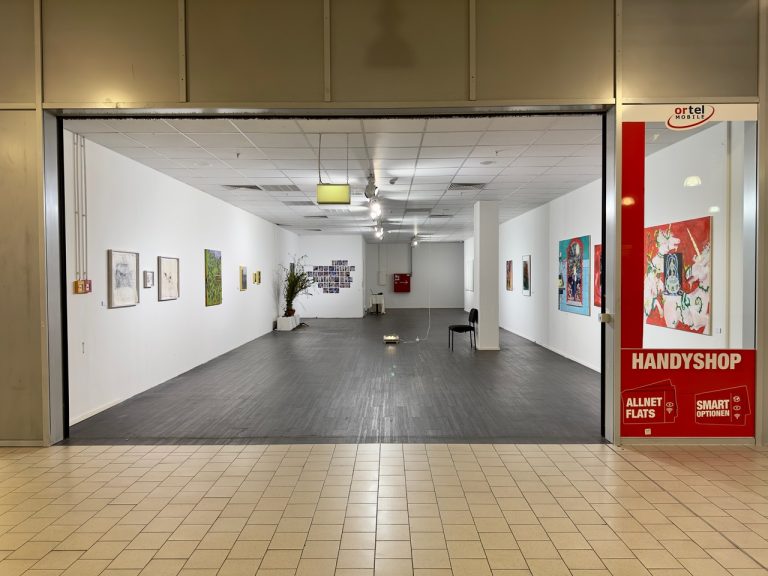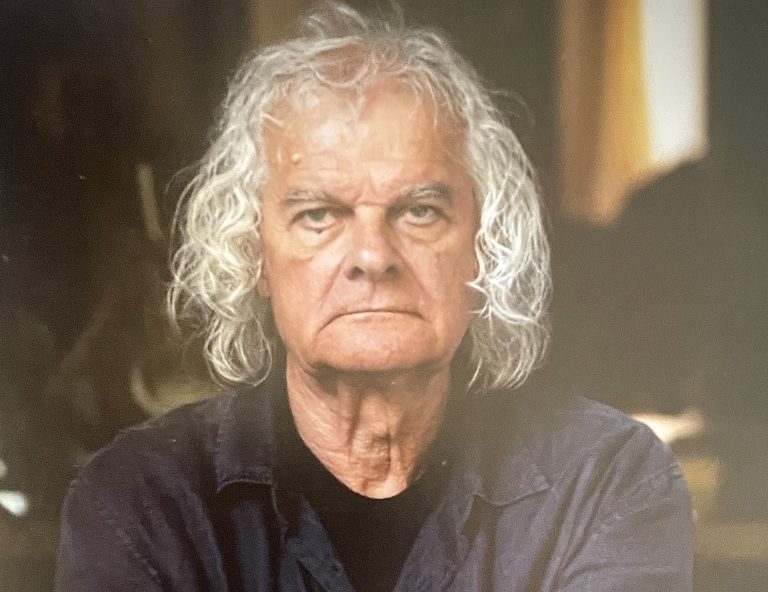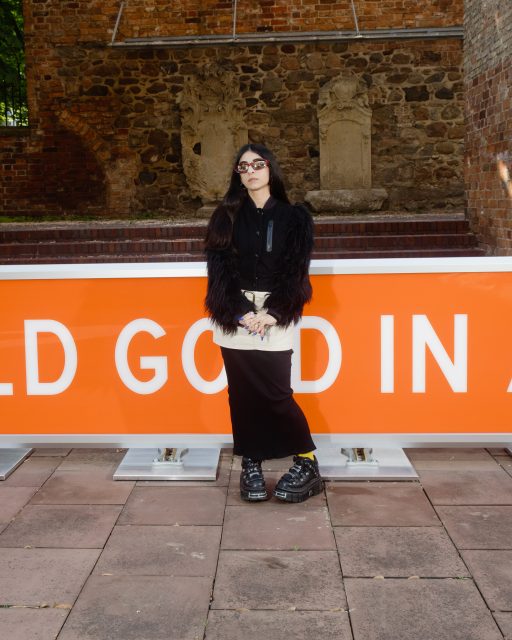
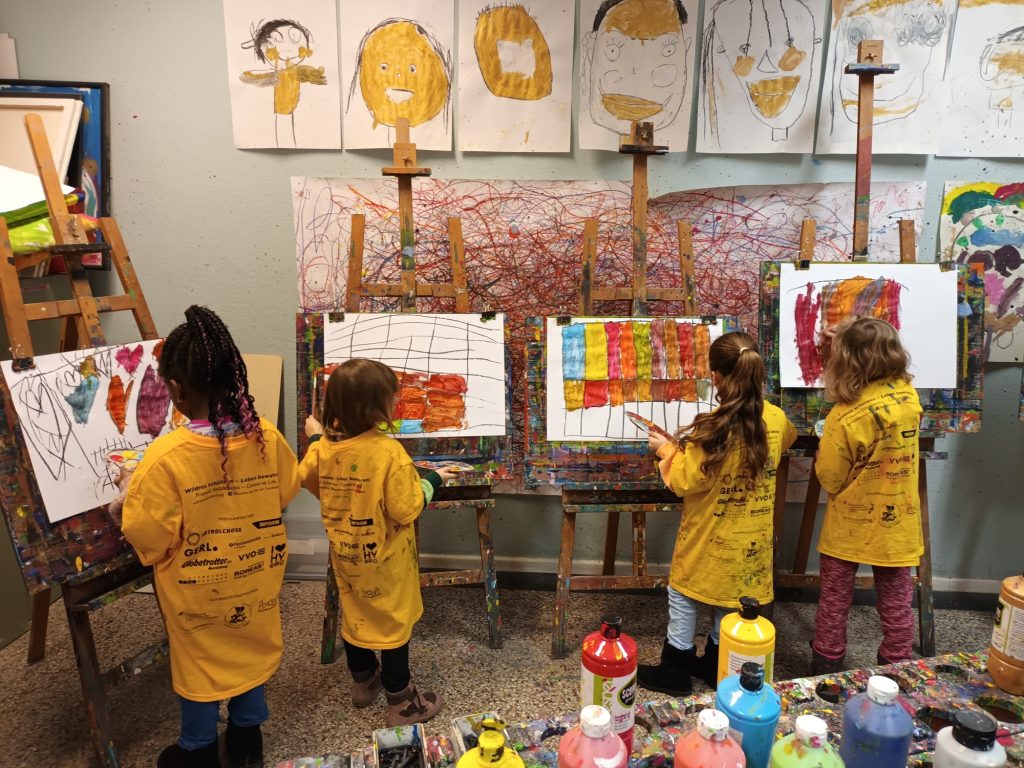
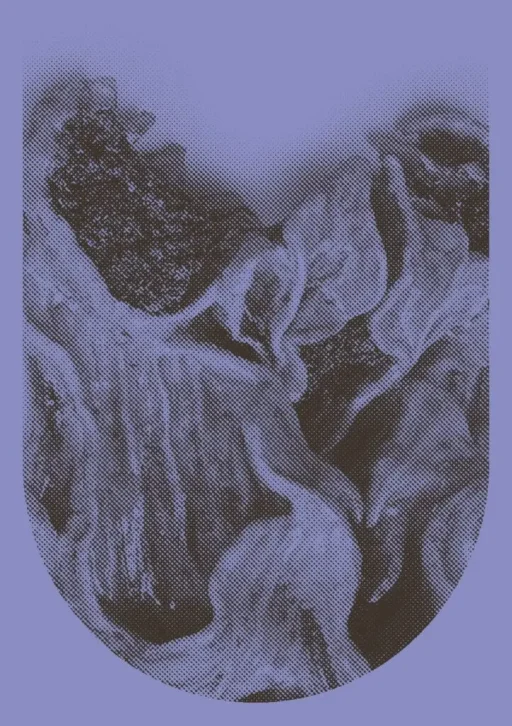
Painting at Atelier Farbklang. Credit: Ulrike Stiehring7/8
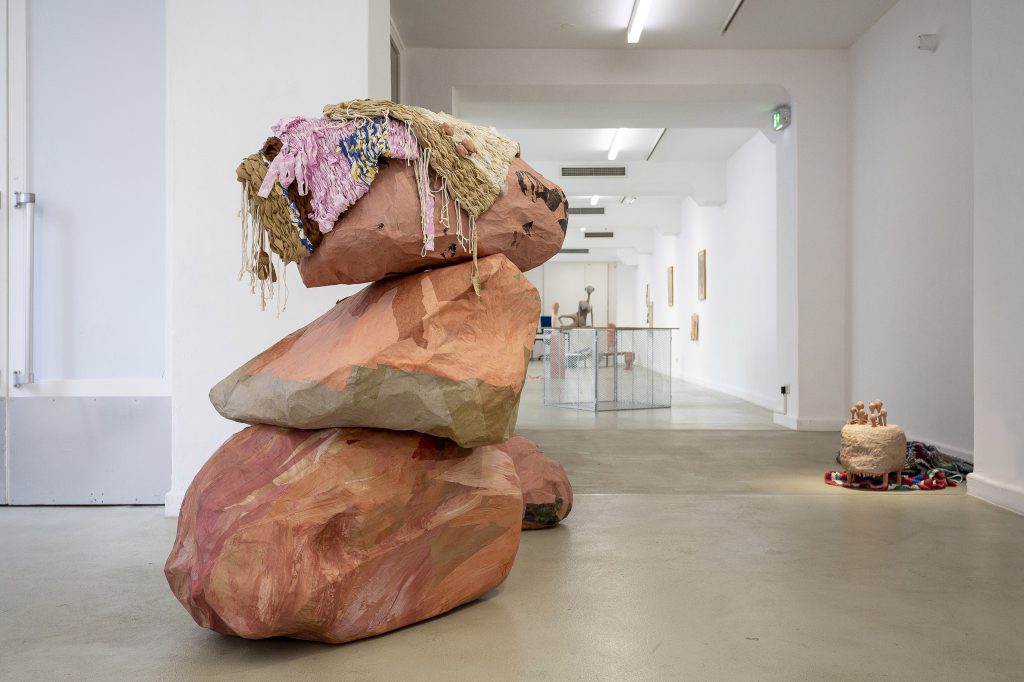
Susanne Ring, “Körper Speicher Tempel”, Galerie Nord 2025. Credit: Oliver Möst8/8
Exhibitions
Bärenzwinger |
Ausstellung
5.6.26 — 21.2.27
Ausstellung »Furore«
Die Einzelausstellung von Nina Paszkowski spielt unter dem Titel »Furore« auf das Spektakel an, das den Bärenzwinger seit jeher heimsucht: das Prinzip des Vorführens und Inszenierens – ob durch lebende Tiere, ideologisch aufgeladene Stadtidentität oder zeitgenössische Kunst. Dabei beschreibt Furore ein Aufsehen, das sich zwischen Faszination und Unbehagen bewegt. Was anzieht und begeistert, kann in Empörung oder Wut umschlagen. Mit dieser Wut setzt sich Nina Paszkowski anhand mythologischer Wesen auseinander, deren Name im Ausstellungstitel anklingt: den Furien. In der griechischen Mythologie erscheinen sie als wütende Rächerinnen, die jedoch durch einen Akt der Gnade eine Menschwerdung erfahren und sich in die milden Eumeniden wandeln.
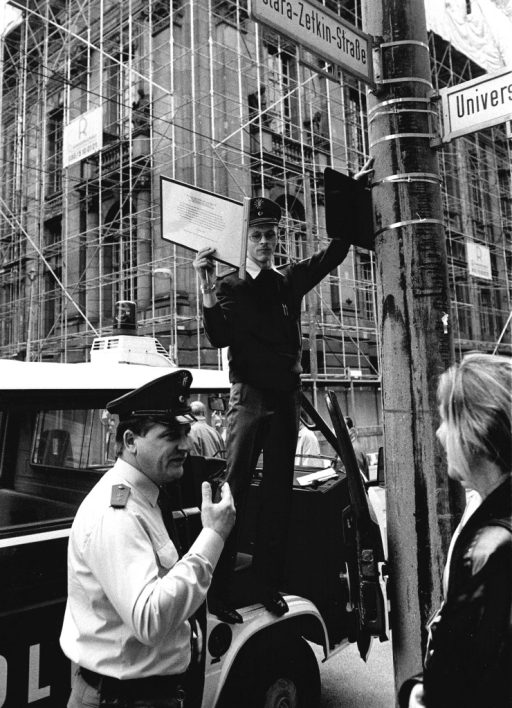
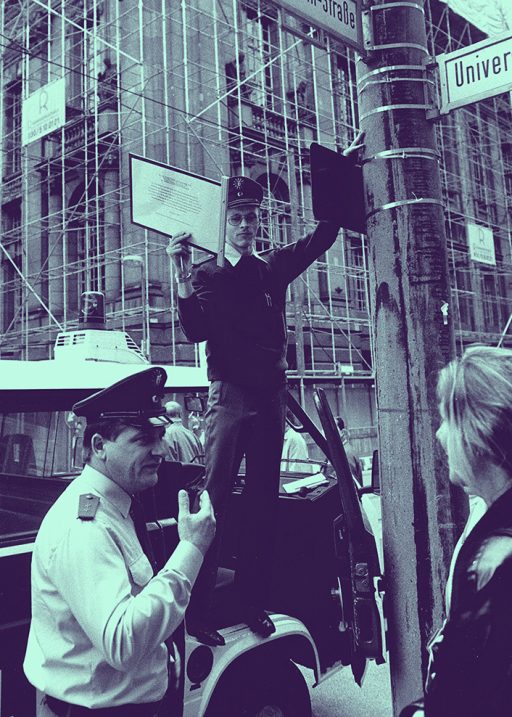
umbennen? Exhibition project on the history of Berlin street names
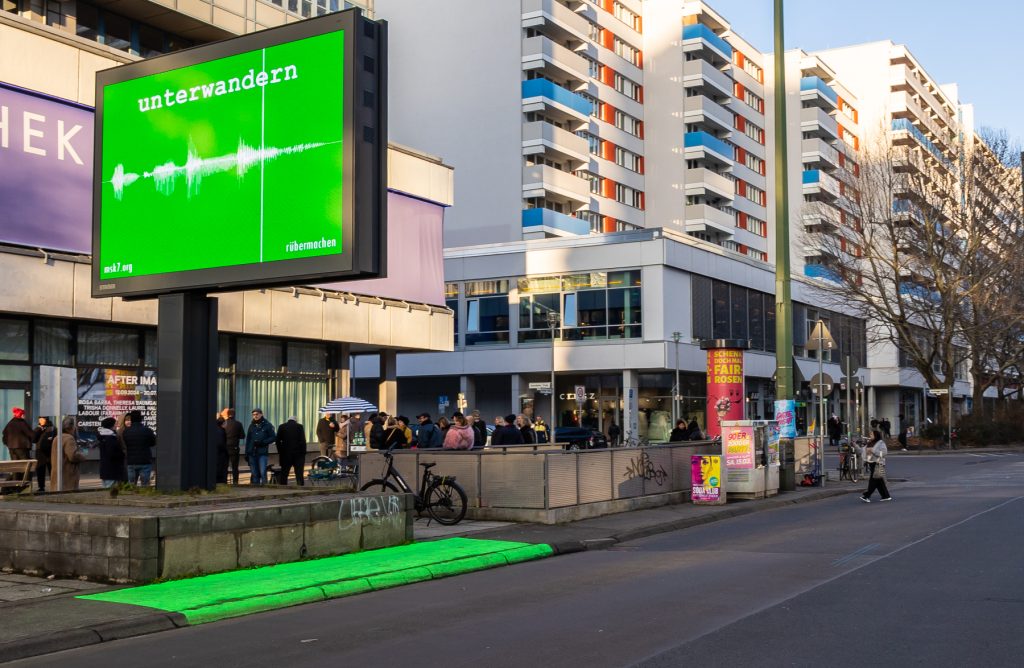
As an inner-city district that unites former East and West Berlin boroughs, Mitte looks back on a turbulent history that is also reflected in the large number of street renamings. The regional historical focus of the “rename?!” exhibition is therefore on continuities, ruptures, and the possibilities for participation in renaming processes.
»Die gesiezte Tochter. My Total Deconstruction of an Armenian Family«
An Exhibition by Beatrice Moumdjian. Moumdjian’s artistic practice combines autobiographical research with a critical perspective on history and its modes of transmission. Her work reveals how closely personal life stories are intertwined with political and historical processes, and how these entanglements can be examined, shifted, and rearticulated through artistic means.
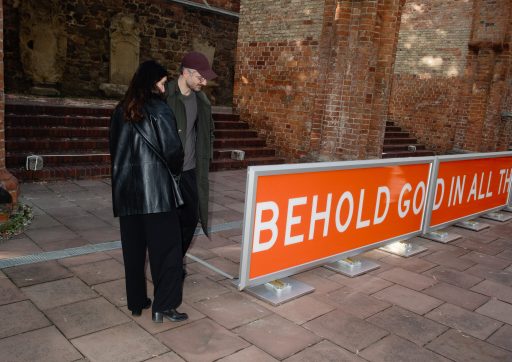
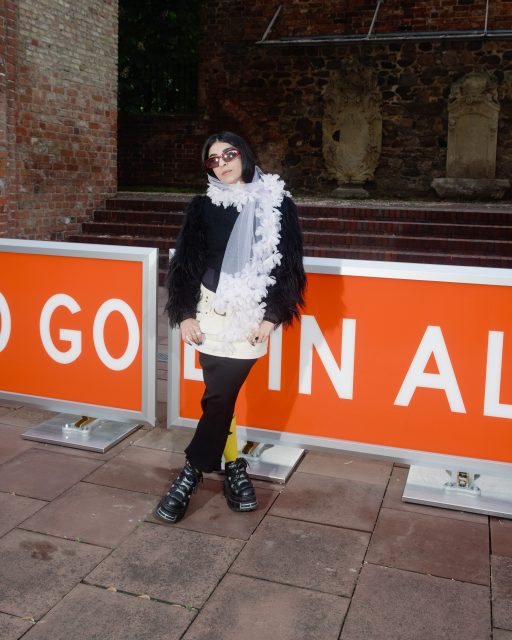
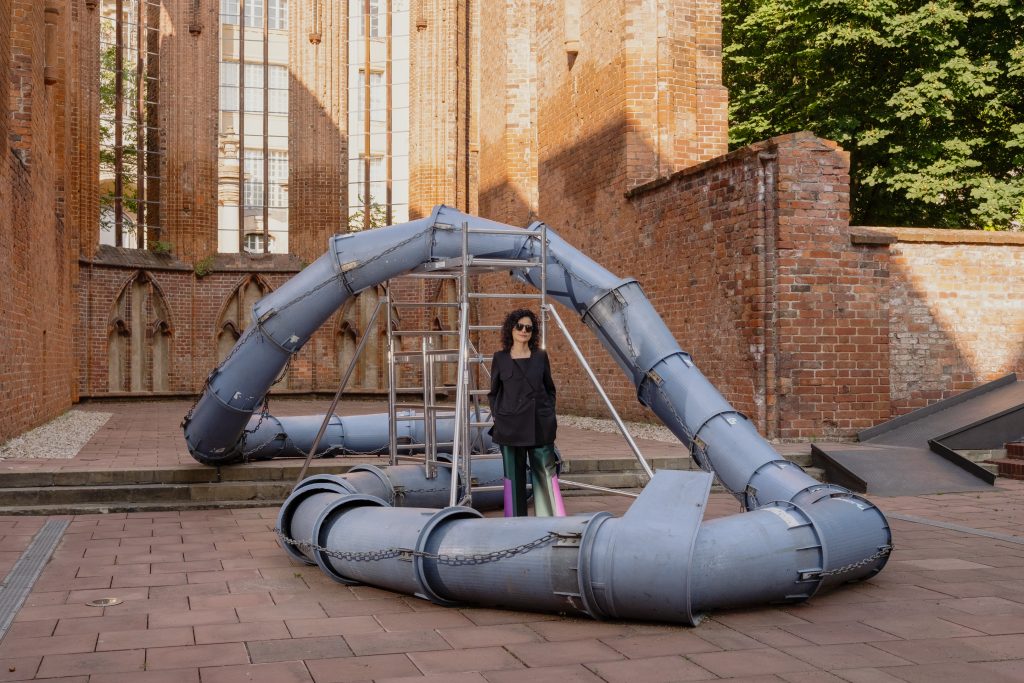
is a site-specific installation by Nazanin Noori at the Klosterruine Berlin. It connects the historical space of the former religious building with questions of religious affiliation, power structures, public perception, and diverse conceptions of the divine. As a relic of a sacred site, the Klosterruine points to the political and social systems that have historically emerged from religious organisation. For centuries, the Berlin Franciscan monastery functioned as a space in which spiritual practices—both aesthetic and performative—were closely intertwined with urban order and political authority. At the same time, the ruin stands as a marker of repeated destruction and transformation.
The exhibition and extensive accompanying events programme shed light on artists’ positions in East Germany and encourage a new reading of art from the GDR. The exhibition draws on the checkered life stories of nine artists and their works, ranging from painting, sculpture, and ceramics to photography. On that basis it shows how differently the nine addressed the political and social conditions of their day. To what extent did sexual orientation influence their artistic practice and their careers?
Die Einzelausstellung von Nina Paszkowski spielt unter dem Titel »Furore« auf das Spektakel an, das den Bärenzwinger seit jeher heimsucht: das Prinzip des Vorführens und Inszenierens – ob durch lebende Tiere, ideologisch aufgeladene Stadtidentität oder zeitgenössische Kunst. Dabei beschreibt Furore ein Aufsehen, das sich zwischen Faszination und Unbehagen bewegt. Was anzieht und begeistert, kann in Empörung oder Wut umschlagen. Mit dieser Wut setzt sich Nina Paszkowski anhand mythologischer Wesen auseinander, deren Name im Ausstellungstitel anklingt: den Furien. In der griechischen Mythologie erscheinen sie als wütende Rächerinnen, die jedoch durch einen Akt der Gnade eine Menschwerdung erfahren und sich in die milden Eumeniden wandeln.
umbennen? Exhibition project on the history of Berlin street names
As an inner-city district that unites former East and West Berlin boroughs, Mitte looks back on a turbulent history that is also reflected in the large number of street renamings. The regional historical focus of the “rename?!” exhibition is therefore on continuities, ruptures, and the possibilities for participation in renaming processes.
»Die gesiezte Tochter. My Total Deconstruction of an Armenian Family«
An Exhibition by Beatrice Moumdjian. Moumdjian’s artistic practice combines autobiographical research with a critical perspective on history and its modes of transmission. Her work reveals how closely personal life stories are intertwined with political and historical processes, and how these entanglements can be examined, shifted, and rearticulated through artistic means.
is a site-specific installation by Nazanin Noori at the Klosterruine Berlin. It connects the historical space of the former religious building with questions of religious affiliation, power structures, public perception, and diverse conceptions of the divine. As a relic of a sacred site, the Klosterruine points to the political and social systems that have historically emerged from religious organisation. For centuries, the Berlin Franciscan monastery functioned as a space in which spiritual practices—both aesthetic and performative—were closely intertwined with urban order and political authority. At the same time, the ruin stands as a marker of repeated destruction and transformation.
Sunday Art Makers Family Tours: Rundgang durch das mittelalterliche Berlin
Unter dem neuen Namen Sunday Art Makers (SAM) Family Tours startet eine neue Vermittlungsreihe in den kommunalen Galerien Mitte. Entdeckt jeden dritten Sonntag im Monat gemeinsam mit eurer Familie die Geschichte des mittelalterlichen Berlins auf spielerische Weise. Die Archäologin Claudia M. Melisch nimmt mit auf eine Zeitreise in den alten Stadtkern.
The exhibition and extensive accompanying events programme shed light on artists’ positions in East Germany and encourage a new reading of art from the GDR. The exhibition draws on the checkered life stories of nine artists and their works, ranging from painting, sculpture, and ceramics to photography. On that basis it shows how differently the nine addressed the political and social conditions of their day. To what extent did sexual orientation influence their artistic practice and their careers?
In our Kultur Mitte newsletter we inform you about the latest in the fields of art, culture, media and education.
Additionally you receive information on Open Calls, opportunities for funding, concerts, readings, film screenings, guided tours and our program for families and young people in our institutions.
The Department of Art, Culture and History is an important point of contact for key cultural projects and initiatives. The department advises on approval and application procedures for funding and art projects in public space, supports the public promotion of art and remembrance projects on both a regional and supra-regional scale, facilitates networking and transcultural exchange and has for years successfully coordinated cultural education work aimed at predominantly young people.
Events
Klosterruine Berlin |
Stadtrundgang
21.6.26 14:30h - 16:00h
Sunday Art Makers Family Tours: Rundgang durch das mittelalterliche Berlin
Unter dem neuen Namen Sunday Art Makers (SAM) Family Tours startet eine neue Vermittlungsreihe in den kommunalen Galerien Mitte. Entdeckt jeden dritten Sonntag im Monat gemeinsam mit eurer Familie die Geschichte des mittelalterlichen Berlins auf spielerische Weise. Die Archäologin Claudia M. Melisch nimmt mit auf eine Zeitreise in den alten Stadtkern.